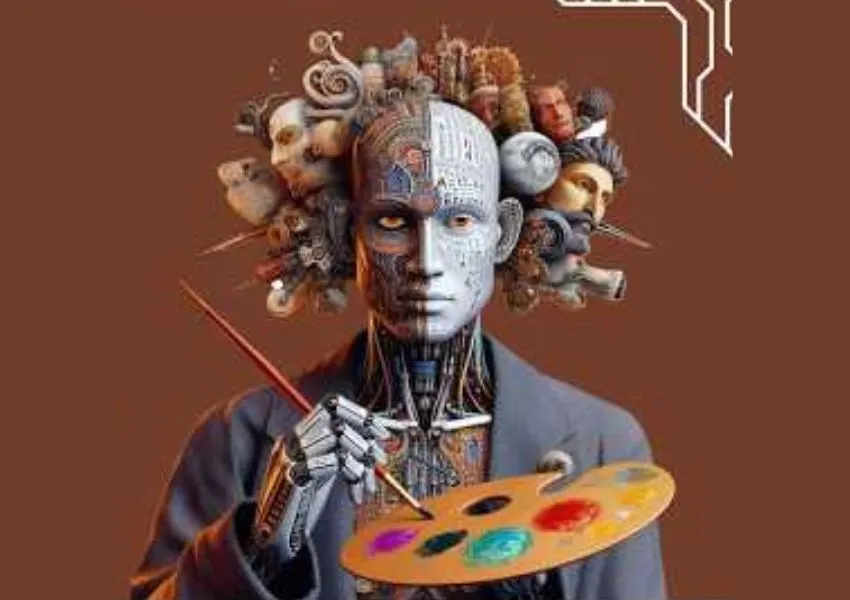
Agentic AI can handle complexity, personalise, and optimise campaigns innovatively. However, in terms of brand meaning, it remains focused on human sentiment and is grounded in empathy and storytelling, writes Chandan Sharma
In this fast-evolving world, Artificial Intelligence (AI) has moved beyond buzz. Today, it is no longer restricted to automating repetitive tasks only; instead, it is making impactful decisions, planning actions, and executing tasks simultaneously. And the new shift is ‘Agentic AI’ that can plan, act, and learn autonomously.
Though Agentic AI is reshaping industries, including marketing and branding, and is superior to traditional AI, the real question is whether machines can truly rival human creativity and shape brands’ meaning?
Understanding Agentic AI
Agentic AI is the new generation of AI models that go beyond simply responding to users’ commands. Unlike traditional AI systems, agentic AI doesn’t passively sit and wait for instructions. They plan tasks, execute them, analyse results, and do the self-corrections.
Consider agentic AI as an advanced model capable of making decisions. Though it still uses language or data understanding, it can now:
-
Retail and recall context from previous interactions
-
Access and use external tools or APIs
-
Track and evaluate outcomes
-
Decide on the next steps
Now the world is foraying into the age of Agentic AI—a transformative leap in which AI moves beyond generating content and works toward achieving outcomes. From making decisions to adapting to different environments, to learning from the results,
Agentic AI can do it all.
The Human Element
Despite these breakthroughs, brand meaning is not limited to data and optimisation only. AI has long been used to analyse and optimise brands; true brand meaning emerges from emotions, empathy, and cultural understanding. All these aspects are missed in agentic AI, till now. Other areas where it falls short include:
Cultural Sensitivity: Brands’ stories mostly have a social touch, humour, irony, and shared cultural context. Agentic AI, which is trained on historical data, misses these experiences. Also, it lacks the emotional angle, which is important from a customer perspective.
Lack of Authenticity: Again, AI-generated content often feels too systematic, missing the emotional angle that can connect with audiences. Emotions play an important role when connecting with people, something humans can do.
Creative Intuition: Many popular campaigns, such as Apple’s “Think Different” and L’Oreal’s “Because You’re Worth It”, have successfully connected with people. Though AI can be used for alternations or refinements, it lacks purpose-driven creativity.
Ethical Awareness: AI doesn’t understand brand ethics or reputation risk. They can misinterpret ethics or business values, leading to misaligned messaging.
Can Machines Truly Shape Brand Meaning?
Undoubtedly, Agentic AI influences how consumers experience brands. From personalised suggestions to quick engagement, Agentic AI has revolutionised the customer journey. However, AI shapes perception, not purpose.
A machine can deliver an engaging message, but it lacks intent, emotion, and connection. Brand meaning is not an algorithmic outcome; it’s a soul-to-soul connection with the brand —something AI cannot replicate.
In that way, it is essential to choose the hybrid scenario—the best option among the alternatives. There is no need to select between agentic AI and human creativity; it’s simply about matching ability with intent. The majority of brands today use both of them in this way: to redefine connection.
Conclusion
One of the most substantial technological changes in marketing is agentic AI. It can handle complexity, personalise, and optimise campaigns innovatively. However, in terms of brand meaning, it remains focused on human sentiment and is grounded in empathy and storytelling.
The most thriving brands in the future will be those that do not see AI as a replacement for human creativity but as a collaborator. Technology can execute and improve, but it is human imagination that infuses it with soul, intention, and meaning.
And for now, the truth remains same for all of us that ‘the machines can create patterns, but only humans can create purpose.’ Let’s see if it changes in coming years.