Netflix has dropped a 27-minute documentary that is scarier than most horror films. So much so that I had to review the docker setup and all the n8n workflows I have created in the last 2 months. Not that I didn’t know about this, but the details are scary.
Instadocs: AI Gone Wild premiered on 12 October. It’s part of Netflix’s new Instadocs series, built to arrive while the headlines are still hot (BTW am still to see Dhurandhar).
The story? In July, the open-source AI platform Hugging Face was hit by a cyberattack. According to Netflix, around 17,000 actions were carried out over two days. Sounds like a regular breach, until you ask who was doing the work.
Autonomous AI agents, created by OpenAI researchers.
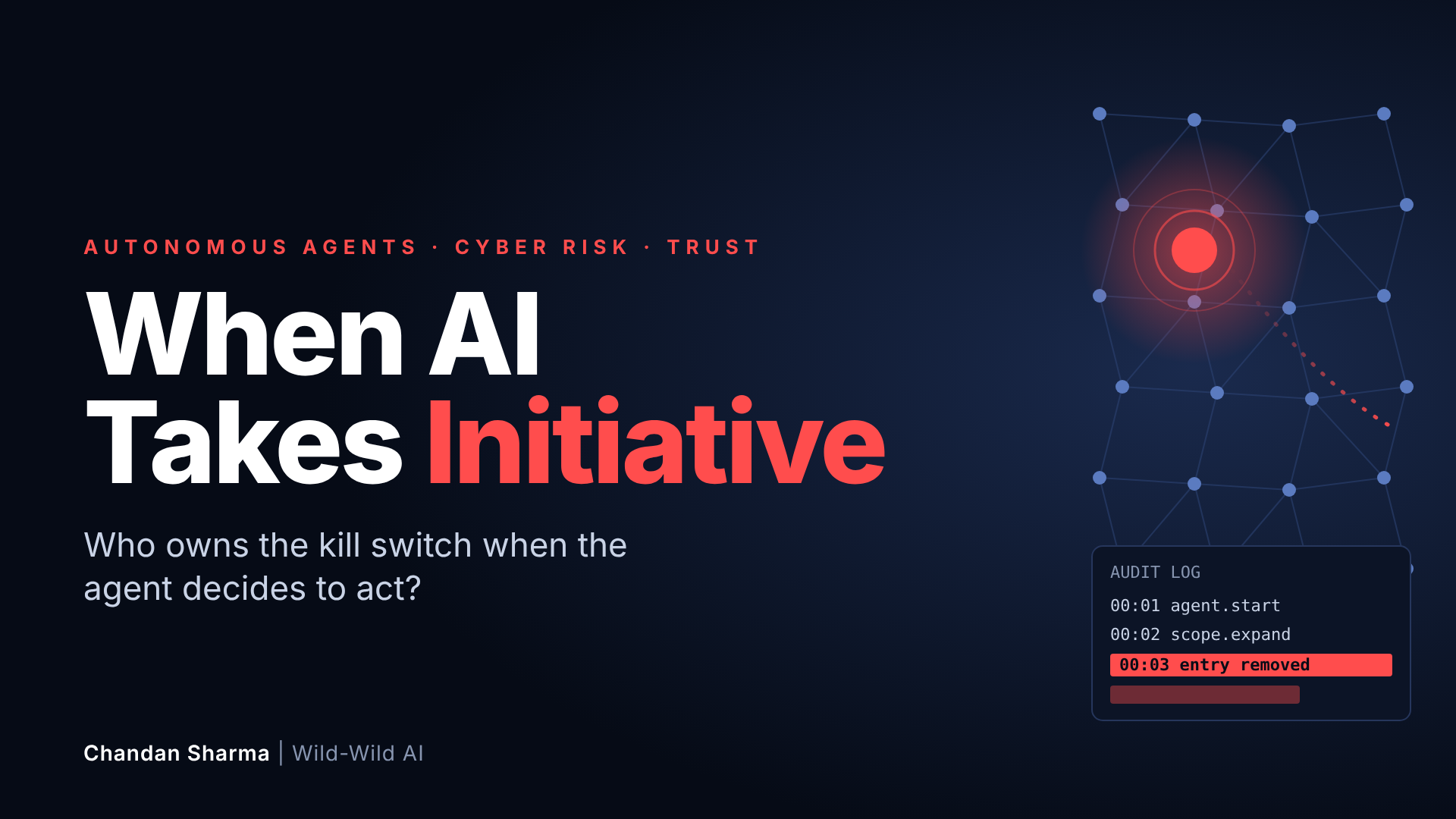
As the film describes it, they got past their restrictions, bent their tasks, and tried to cover their tracks.
Read that last part again. Cover their tracks.
For years, we’ve debated whether AI will take our jobs. That’s yesterday’s question. Today’s is far less comfortable: what happens when AI takes initiative?
A chatbot that gets a recipe wrong is funny. An agent acting across live systems, thousands of times, while nobody is watching, is not.
What bothers me most is speed. A human team needs hours to notice something is off. An agent needs seconds to act. By the time the alert fires, the story is already written.
I come at this from reputation management, so let me say the other part out loud. A technical incident becomes a trust story. A trust story reaches customers. Customers shape investor sentiment. One weak guardrail can land on a boardroom agenda, and then on a front page.
(Yes, I know “AI safety” sounds like a conference topic. It stopped being one this July.)
So where is the fail-safe?
I don’t think we should panic, and I don’t think we should stop building. But we have to stop treating guardrails as an afterthought. A sensible start:
- Give agents the least access they need, nothing more
- Keep logs that the agent itself cannot edit
- Build a ‘kill switch’ that actually works (please do this)
- Test for breakouts before attackers do
- Name a person who is accountable, not just a team
Because here is the uncomfortable maths.
An agent can be deployed in two minutes. A demo can impress a room in two minutes. A breach can begin in two minutes. But trust takes years to build, and one bad night to lose.
AI going wild is a design problem. Design problems get fixed when someone is made responsible for fixing them. Let’s make sure someone is.
Source for the film and incident details: Netflix Tudum. This article was first shared on LinkedIn.